Font Size
Matthew 2:13-23
New International Version
Matthew 2:13-23
New International Version
The Escape to Egypt
13 When they had gone, an angel(A) of the Lord appeared to Joseph in a dream.(B) “Get up,” he said, “take the child and his mother and escape to Egypt. Stay there until I tell you, for Herod is going to search for the child to kill him.”(C)
14 So he got up, took the child and his mother during the night and left for Egypt, 15 where he stayed until the death of Herod. And so was fulfilled(D) what the Lord had said through the prophet: “Out of Egypt I called my son.”[a](E)
16 When Herod realized that he had been outwitted by the Magi, he was furious, and he gave orders to kill all the boys in Bethlehem and its vicinity who were two years old and under, in accordance with the time he had learned from the Magi. 17 Then what was said through the prophet Jeremiah was fulfilled:(F)
18 “A voice is heard in Ramah,
weeping and great mourning,
Rachel(G) weeping for her children
and refusing to be comforted,
because they are no more.”[b](H)
The Return to Nazareth
19 After Herod died, an angel(I) of the Lord appeared in a dream(J) to Joseph in Egypt 20 and said, “Get up, take the child and his mother and go to the land of Israel, for those who were trying to take the child’s life are dead.”(K)
21 So he got up, took the child and his mother and went to the land of Israel. 22 But when he heard that Archelaus was reigning in Judea in place of his father Herod, he was afraid to go there. Having been warned in a dream,(L) he withdrew to the district of Galilee,(M) 23 and he went and lived in a town called Nazareth.(N) So was fulfilled(O) what was said through the prophets, that he would be called a Nazarene.(P)
Footnotes
- Matthew 2:15 Hosea 11:1
- Matthew 2:18 Jer. 31:15
New International Version (NIV) 
Holy Bible, New International Version®, NIV® Copyright ©1973, 1978, 1984, 2011 by Biblica, Inc.® Used by permission. All rights reserved worldwide.
NIV Reverse Interlinear Bible: English to Hebrew and English to Greek. Copyright © 2019 by Zondervan.
Bible Gateway Recommends
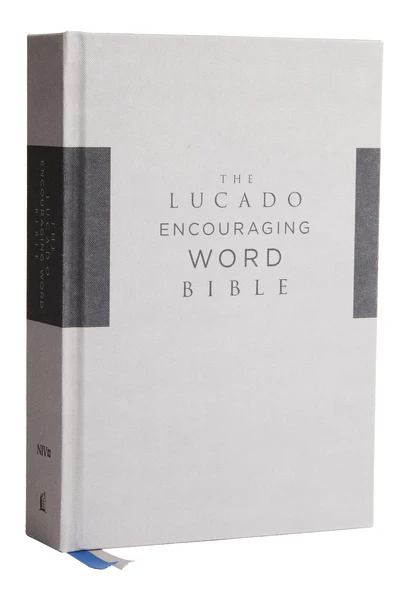
Retail: $59.99
Our Price: $41.99
Save: $18.00 (30%)
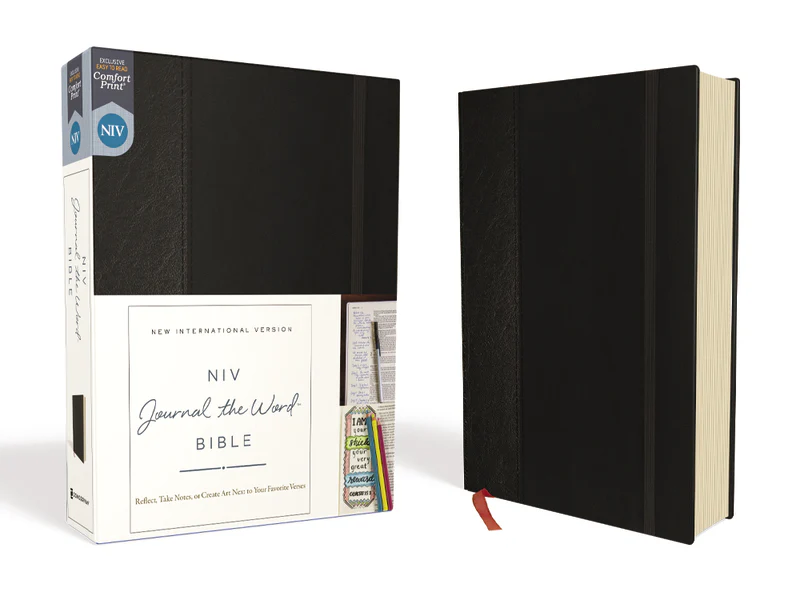
Retail: $39.99
Our Price: $27.99
Save: $12.00 (30%)

Retail: $69.98
Our Price: $48.99
Save: $20.99 (30%)
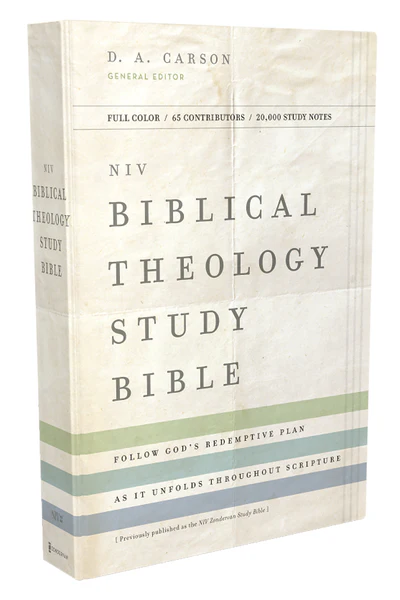
Retail: $59.99
Our Price: $41.99
Save: $18.00 (30%)
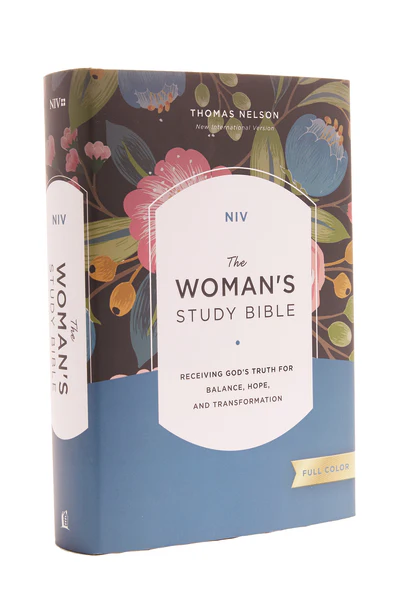
Retail: $49.99
Our Price: $34.99
Save: $15.00 (30%)

Retail: $54.99
Our Price: $35.00
Save: $19.99 (36%)